
How long does Botox last? Real result timeline & aftercare tips
With beauty care now deeply connected to confidence and everyday lifestyle, botulinum toxin injections remain one of the most popular non-surgical treatments. The procedure helps soften wrinkles caused by muscle movement and supports better facial balance without adding volume. One of the most frequently asked questions is about the duration of results and the most realistic ways to make the effect last longer.
What Is Botulinum Toxin and How Does It Work?
Botulinum toxin Type A is a medical-grade purified protein produced from the bacterium Clostridium botulinum. When administered in suitable doses by a qualified physician, the substance temporarily slows the release of the neurotransmitter acetylcholine — the signal that triggers muscle contraction.
The treatment works beneath the skin by relaxing targeted muscles, reducing the appearance of dynamic lines formed by repetitive facial expressions such as frowning, smiling, or squinting. Unlike fillers, botulinum toxin does not rely on volume replacement, making the end result softer and more natural-looking.
Why Many Still Say “Botox” Instead of “Botulinum Toxin”
The word “Botox” became widely recognized due to strong marketing exposure, but the actual medical term is Botulinum Toxin. It originated from the Latin word Botulus, meaning “sausage”, because early discovery of this bacterium was linked to contaminated food samples resembling sausage.
The term “Toxin” simply refers to a protein capable of influencing nerve-to-muscle communication. Once extracted, refined, and its dosage strictly controlled for medical use, it became a safe and effective tool for clinical and aesthetic applications.
In short:
- “Botox” → a commercial or marketing name
- “Botulinum Toxin” → the anatomically correct medical term
It is the same substance, just used and referred to differently depending on communication context.
Common Treatment Areas and Expected Improvements
- Forehead & Between Brows: Reduces creasing from frequent eyebrow movement or frowning.
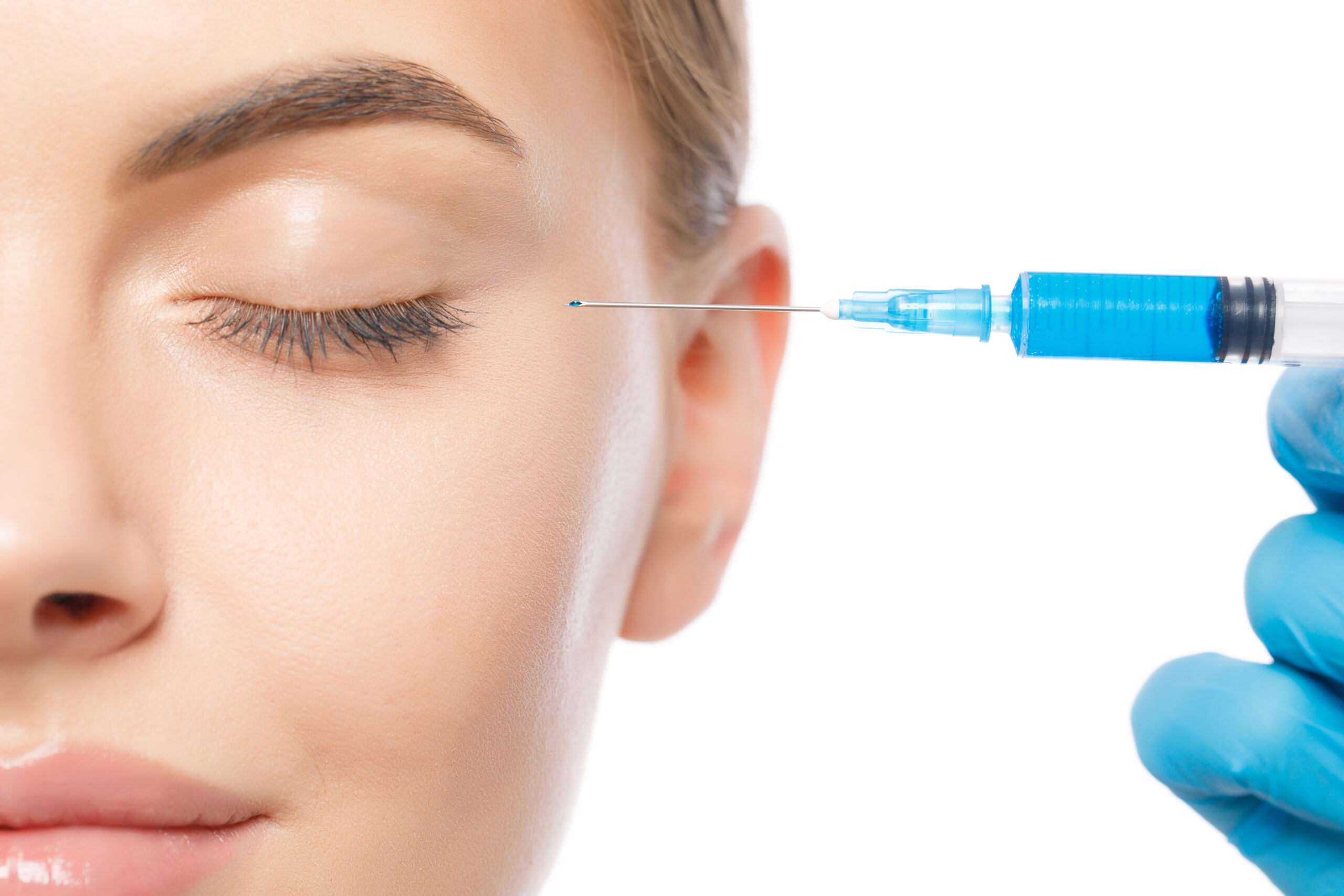
- Around the Eyes: Helps soften crow’s feet caused by smiling or eye focus strain.
- Jawline & Face-Lifting Points: Relaxes muscles that tend to pull the face downward, supporting a more defined contour over time.
- Masseter (Jaw-Balancing/Slimming): Helps reduce over-tension from chewing muscles or teeth-grinding history for more proportional face shape.
- Underarms: Eases discomfort from excessive sweating in those with hyperhidrosis.
- Shoulders, Arms, Calves: Relaxes overly active or tense muscle groups, refining silhouette balance gently.
Typical Result Duration
On average, the visible results last around 3 to 6 months. The exact timeframe can vary individually based on:
- Injection placement: High-movement zones may fade faster.
- Physician-guided dosage: Must be evaluated carefully to prevent stiffness or unnatural expression.
- Muscle strength: Strong or frequently used muscles may metabolize the effect slightly sooner.
- Body metabolism: Faster metabolic rate can reduce duration in some cases.
- Regular treatment habit: Consistent sessions often support better overall look in long-term care.
Onset pattern:
- First noticeable change → 2–3 days
- Peak clarity → 1–2 weeks
- Gradual fade → follows the muscle and nerve recovery cycle
6 Reliable Aftercare Practices to Help Extend Results
- Avoid strong heat and direct sunlight 24–48 hours: Including sauna, hot showers, prolonged sun exposure. Apply daily SPF 30+ afterward.
- Hold off intense workouts for 24 hours: Helps keep the substance binding accurately.
- Boost skin hydration: Using antioxidants like vitamins C & E, plus hydrating ingredients such as hyaluronic acid.
- Avoid smoking and alcohol in recovery: These increase skin dehydration and may shorten aesthetic benefits.
- Sleep on your back on the first night: Do not massage or press treated zones to prevent migration.
- Plan your next session every 3–6 months: Always re-evaluated by a specialized physician for safety and ideal natural outcome.
Conclusion
Botulinum toxin is the clinical name for the wrinkle-softening protein — often called “Botox” socially due to marketing familiarity. The treatment offers temporary effects, typically lasting 3–6 months, not permanent. Proper aftercare plays a meaningful role in helping the outcome stay effective, fresh, and natural-looking for longer. All injections should only be administered by a qualified medical professional.