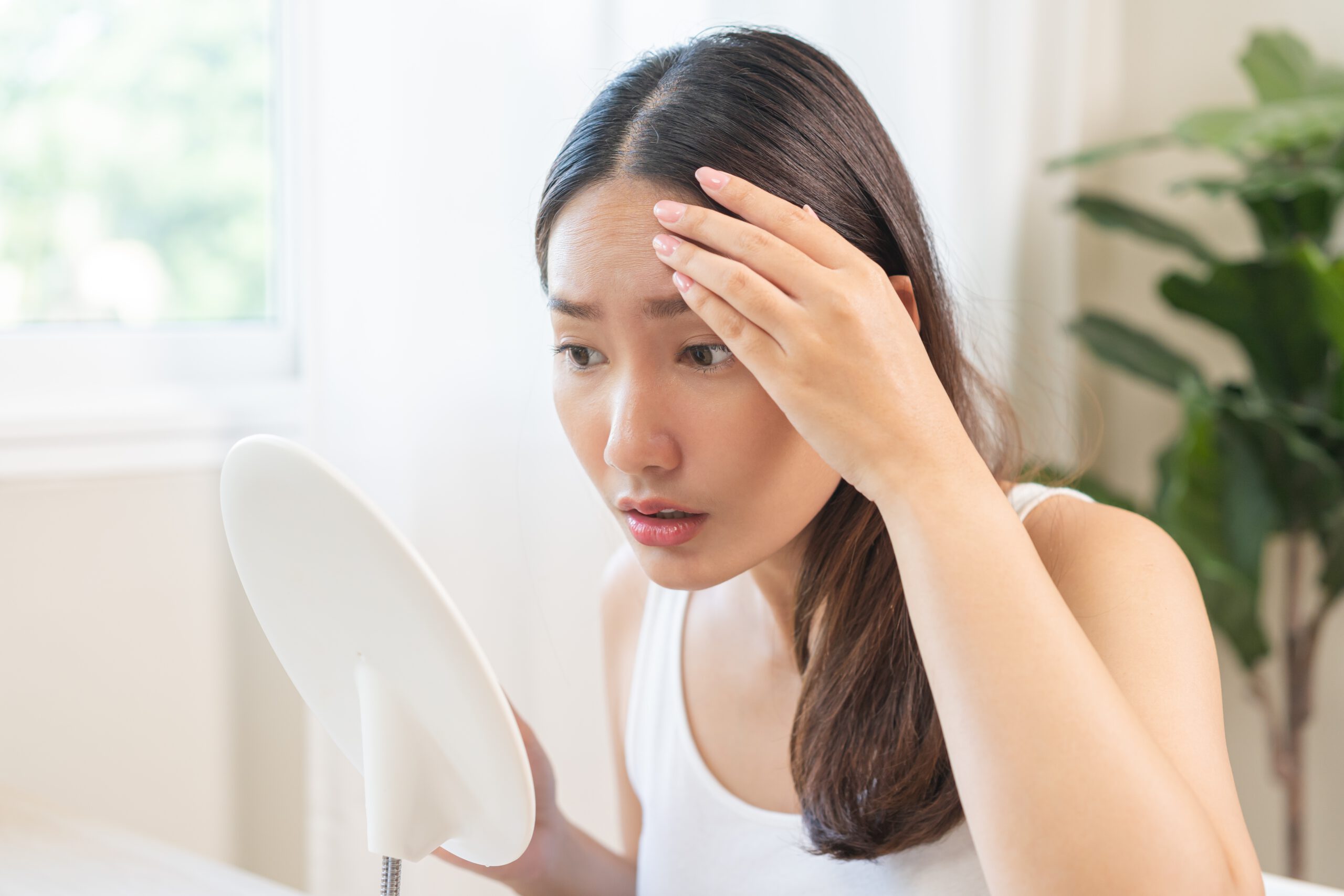
The eyes are one of the most noticeable features on the face and often the first thing people look at. As we age, many individuals begin to experience droopy outer corners of the eyes or visible fine lines, making the face appear tired or older than it really is. “Botox brow-tail lifting” has therefore become a popular non-surgical option to refresh and lift the eye area.
What Is Botox Brow-Tail Lifting?
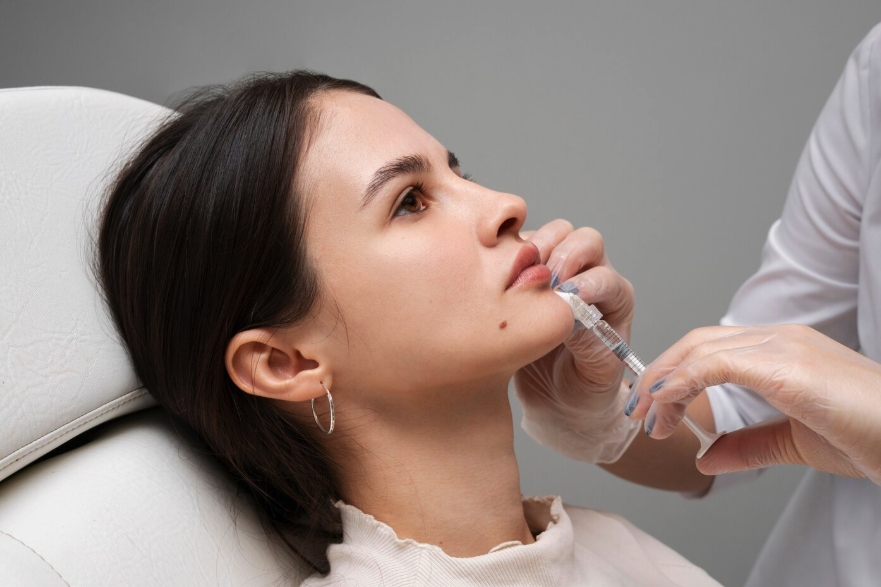
Botox brow-tail lifting involves injecting botulinum toxin into specific muscles around the outer corner of the eyes. This relaxes the muscles, reduces tension, and allows the skin around the area to lift naturally. As a result, the eye area appears smoother, brighter, and more youthful.
This technique is quick, non-surgical, and requires no downtime. There are no wounds, and you can return to your routine immediately. However, since the effects of Botox are temporary, periodic maintenance sessions are needed to keep the desired lifted appearance.
Who Is This Treatment Suitable For?
Botox for lifting the brow tail is ideal for people who:
-
Have droopy outer eye corners
-
Notice wrinkles or fine lines near the eye area
-
Want their eyes to appear larger and more defined
-
Prefer a non-surgical approach with minimal recovery time
While people around the age of 25 and up typically start to see these early signs of aging, factors like genetics, environment, and lifestyle can also contribute.
Cautions: Individuals with certain neuromuscular or neurological conditions, those allergic to botulinum toxin, pregnant women, and breastfeeding mothers should avoid Botox. A consultation with a licensed professional is essential before undergoing treatment.
How Long Does Botox Brow-Tail Lifting Last?
On average, the results last 3–6 months, depending on factors such as:
-
Age and skin condition – younger skin generally maintains results longer
-
Dosage and injection points – determined based on the severity of wrinkles
-
Metabolism rate – faster metabolism can break down Botox sooner
-
Lifestyle habits – smoking, alcohol consumption, stress, and lack of sleep reduce longevity
-
Post-treatment care – consistent skincare helps prolong results
For long-term improvement, repeated treatments every 3–4 months are recommended. Over time, the muscles adapt to being relaxed, making the effects last longer.
How to Make Botox Results Last Longer
1. Proper Eye Area Skincare
-
Use eye creams containing peptides and hyaluronic acid to keep skin hydrated and firm
-
Apply sunscreen daily to prevent photoaging
-
Choose gentle, alcohol-free products
-
Massage around the eyes lightly to improve circulation
-
Avoid rubbing or pulling the eye area, which can accelerate sagging
2. Foods to Include and Avoid
Recommended Foods
-
Protein-rich foods to support tissue repair
-
Vitamin C–rich fruits and vegetables to boost collagen
-
Omega-3 fatty fish like salmon and mackerel
-
Plenty of clean drinking water
Foods to Avoid
-
Alcohol
-
Salty foods that cause puffiness
-
Sugary foods that break down collagen
-
Excessive caffeine that dehydrates the skin
3. Exercise Wisely
-
Avoid intense workouts for 24–48 hours post-treatment to prevent product migration
-
Choose light activities like walking, swimming, or yoga
-
Practice gentle facial exercises to improve circulation
-
Get at least 7–8 hours of sleep nightly
-
Manage stress, as high cortisol accelerates collagen loss
Benefits of Botox Brow-Tail Lifting
-
Non-surgical and minimally invasive
-
Quick procedure, usually 15–30 minutes
-
No downtime—resume normal activities immediately
-
Natural-looking results when performed by an expert
-
Customizable dosage and injection placement
-
Very low risk; minor swelling or bruising resolves quickly
-
If unsatisfied, you can simply wait for it to wear off
Conclusion
Botox brow-tail lifting is an effective, safe way to refresh the eye area, lift droopy corners, and soften fine lines—without surgery. Results generally last 3–6 months and depend on lifestyle, skin condition, and proper aftercare. To maintain a youthful, lifted appearance longer, focus on good skincare, healthy eating, appropriate exercise, and adequate rest.