
Neurological Botox
Reduces muscle spasm and helps relieve localized neurological symptoms
Neurological Botox is the use of Botulinum Toxin (BoNT-A) injections to treat neurological conditions caused by
muscle spasm or abnormal nerve–muscle function, such as movement disorders, chronic migraine, and spasticity.
It is also widely used in wellness-related concerns such as bruxism and TMJ pain.
The injection is performed with precision in the target muscles by a neurologist (Neuro specialist) or a physician with specialized training,
helping to reduce spasm, pain, and tightness, and effectively improving day-to-day quality of life.
muscle spasm or abnormal nerve–muscle function, such as movement disorders, chronic migraine, and spasticity.
It is also widely used in wellness-related concerns such as bruxism and TMJ pain.
The injection is performed with precision in the target muscles by a neurologist (Neuro specialist) or a physician with specialized training,
helping to reduce spasm, pain, and tightness, and effectively improving day-to-day quality of life.
Book a Doctor Consultation
What is Neurological Botox?
Botulinum Toxin (BoNT-A) works by blocking signal transmission between nerves and muscles at the injection site.
This allows overactive or spasming muscles to gradually relax, helping to reduce spasm, pain, tightness,
or abnormal muscle movements in the treated area.
It is suitable for neurological conditions such as dystonia, hemifacial spasm, and spasticity,
as well as for working professionals or individuals who experience sleep bruxism, jaw pain/TMJ pain, or
chronic headaches associated with tight facial or neck muscles.
This allows overactive or spasming muscles to gradually relax, helping to reduce spasm, pain, tightness,
or abnormal muscle movements in the treated area.
It is suitable for neurological conditions such as dystonia, hemifacial spasm, and spasticity,
as well as for working professionals or individuals who experience sleep bruxism, jaw pain/TMJ pain, or
chronic headaches associated with tight facial or neck muscles.
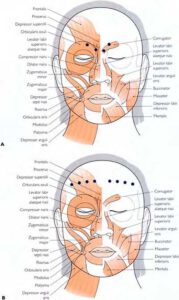
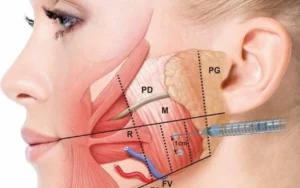
Sleep Bruxism and TMJ Pain
One of the most common concerns treated with neurological Botox is sleep bruxism (teeth grinding during sleep),
which is often accompanied by jaw pain, facial muscle tightness, or morning headaches.
It may also help relieve TMJ pain (temporomandibular joint pain) caused by overactive jaw muscles.
which is often accompanied by jaw pain, facial muscle tightness, or morning headaches.
It may also help relieve TMJ pain (temporomandibular joint pain) caused by overactive jaw muscles.
Movement Disorders Treated with Neurological Botox
Neurological Botox has been used for many years to treat neurological conditions involving abnormal movement (movement disorders).
The physician will select the appropriate target muscles based on each patient’s condition.
The physician will select the appropriate target muscles based on each patient’s condition.
Precautions & Safety
- Neurological Botox must be performed by a neurologist or a physician with specialized training in Botox therapy to ensure maximum safety.
- Muscle weakness must be monitored carefully, as it may affect chewing, speech, balance, or walking in some individuals.
- Before every treatment, a thorough medical history, physical examination, and detailed muscle-function assessment are recommended.
- A follow-up appointment after injection is recommended to evaluate effectiveness and adjust the treatment plan for the next session.
Treatment Timeline Summary for Neurological Botox
Onset of Effect
Within approximately 3–10 days after injection
Duration
Approximately 3–6 months, depending on the condition and muscle usage habits
Repeat Treatments
The physician will assess suitability, response, and schedule repeat sessions on an individual basis
Interested in Neurological Botox
A physician will assess and recommend the most suitable plan for each individual.