
What Is Peripheral Magnetic Stimulation (PMS)?
Peripheral Magnetic Stimulation (PMS) is a technique that uses electromagnetic waves to stimulate peripheral nerves, helping relieve pain, numbness, and other neurological symptoms. The magnetic pulses target deeper tissues and improve blood circulation at the affected area without harming nearby structures.
How Peripheral Magnetic Stimulation (PMS) Works
A PMS device generates high-intensity magnetic waves that pass through clothing and reach deep layers of muscle or bone where treatment is needed.
These pulses cause muscles in the affected area to rhythmically contract and relax—similar to gentle tapping or vibration. This process enhances blood flow and reduces muscle tension, allowing patients to feel more relaxed during the session.
Beyond muscle relaxation, PMS also helps correct abnormal nerve function by promoting neuroplasticity, the nervous system’s ability to adapt or reorganize. This contributes to reducing chronic pain effectively.
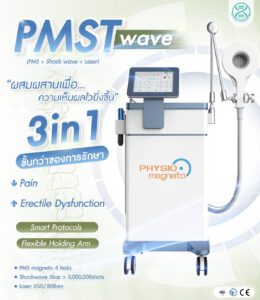
Conditions PMS Can Help Treat
- Office syndrome & various types of pain
PMS helps relieve both acute and chronic pain, with many patients noticing improvement after the first session.
- Numbness in hands and feet
Effective for numbness caused by nerve compression, peripheral nerve degeneration, or diabetic neuropathy—often improving by 50–100%.
- Sports and accident injuries
Beneficial for muscle inflammation, tendon strain, sprains, and soft-tissue injuries, as it accelerates tissue repair and neural recovery.
- Spinal disc and nerve root problems
Magnetic waves can reach the nerve roots directly, helping reduce pain caused by nerve compression in the cervical or lumbar spine.
- Stroke-related weakness or paralysis
PMS can reduce muscle spasticity, restore muscle strength, and slow muscle atrophy in stroke survivors.
Results will vary depending on the location and severity of nerve damage in each patient.
Therapeutic Benefits & Key Advantages
- Helps relieve acute, sub-acute, and chronic pain
- Treats both nerve-related and musculoskeletal pain
- Promotes tissue repair
- Supports nerve recovery (wrist drop, foot drop, muscle weakness)
- Restores healthy neuroplasticity
- Reduces numbness, spasms, and chronic muscle tension
- Increases muscle strength—even in weak or partially paralyzed muscles
Convenience & Safety Advantages
- Noticeable improvement from the first session
- Long-lasting results; no need for frequent visits
- Does not injure surrounding tissues
- Short treatment time: 5–30 minutes per session
This makes PMS highly suitable for working individuals with limited time.
Precautions & Possible Side Effects
- Temporary soreness or muscle fatigue similar to post-exercise feelings may occur for 2–3 days
- Magnetic fields may heat metal items — remove belts, metal buttons, or accessories
- Avoid in patients with implanted electronic devices (e.g., pacemakers)
- Not suitable for those with metal implants near the treatment area
- Not recommended for individuals with a history of epilepsy
- If severe pain is present on the treatment day, the doctor may choose an alternative method
Interested in Peripheral Magnetic Stimulation (PMS)?
Schedule a consultation with our physician to assess your condition and create a personalized PMS treatment plan.
Book Appointment / Consult a Doctor via LINE
Medical evaluation and treatment recommendations are provided by licensed physicians.